

None
None
Long Story Video Skill
Turn your idea into 10s–10min video—AI writes scripts, prompts, and generates footage automatically.
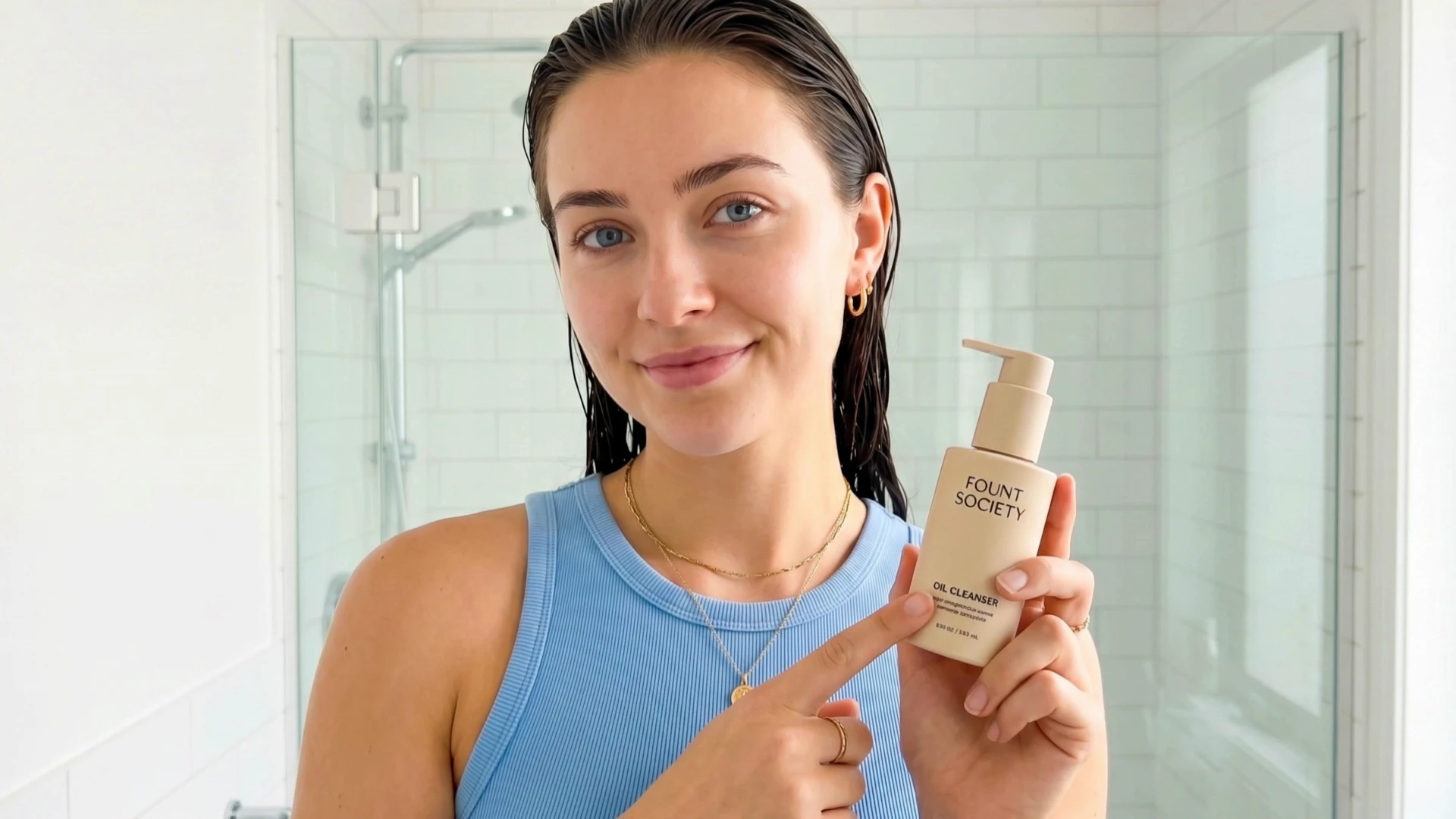
Ads Video Skill
Generate professional ads and sales videos—AI auto-generates scripts, prompts, and footage.
3D Science Explainer Video Skill
Convert scientific concepts into stunning 3D explain animations
Feedback
😢 Every free AI generation costs us real GPU money. We pay out of pocket to keep this free for you.
💎 Upgrade to Pro and unlock:
- ✓HD Download
- ✓No Watermark
- ✓Unlimited Generations
Minimax H3 Video To Video
Replace the cast of an already-finished clip with your own reference photos, leaving the original timing, camera work, cuts and soundtrack untouched.
All Tools
Discover our comprehensive AI-powered animation toolkit
MiniMax H3
MiniMax H3 AI Video Generator
Seedance 2.5
The Future of AI Video Is Here.
Seedance 2.0
The Future of AI Video Is Here.

Veo3.1
Create Stunning Videos with Veo3.1
FLUX 3 Video Generator
Kling 3.0
Next-Gen AI Video Generator
Grok Video Generator
Create Videos from Text or Images with AI
MiniMax H3 video generator
MiniMax H3 AI Video Generator
Why Use Minimax H3 Video To Video
A casting swap for footage you already finished: MiniMax H3 Recast protects everything the clip does well and changes only who is in it.
- A recast tool, not a generatorIt is a casting swap on footage you already shot, not a brand-new generation, so nothing about the original look is rebuilt.
- Photo-based casting for up to four peopleBring one clean photo for each new performer, up to four, and they take over the leading on-screen roles from left to right wherever those roles appear.
- The source clip stays the performanceActing, gestures, beat, lighting, lens movement, edit pace and the existing audio track all survive the swap, so the result slots into the finished cut.
How to Use Minimax H3 Video To Video
Three steps with MiniMax H3 Recast: bring a clip that already works, arrange your reference photos, then render the swap.
What MiniMax H3 Recast Is Good At
A swap that preserves the acting, the edit and the sound of your source clip and changes only who is on screen.
Cast up to four, left to right
Four photos is the ceiling, and they take over the leading on-screen roles left to right wherever those roles show up. Identity is followed through cuts, and a brief prompt can reassign the order.
Performance stays, people change
Acting comes from your footage: gestures, beat, facial expressions, light and camera motion are all preserved, while the new faces and wardrobe come from the photos you upload.
Cuts and sound carried over
The pacing of your edit and the existing audio track survive the swap, so the result slots straight into a locked cut instead of needing to be rebuilt.
768p test, 1080p final
Preview at 768p to verify the swap before spending on the higher resolution, and because the runtime mirrors your input, spend tracks the clip's length.
Hair and outfit follow the reference photo
When the reference shows more than a face, hair and clothing carry across too, which is why a half-body shot beats a tight headshot.
Built for footage that is already good
Film crews, brand marketers, social creators, and fashion or commerce teams turn to it whenever a take is perfect but the wrong performer is in it.
MiniMax H3 Recast — FAQ
Common questions about recasting finished footage with MiniMax H3 Recast.
What does MiniMax H3 Recast actually do?
It swaps the performers in a video you already have for the people in your uploaded photos. Source motion, camera work, cuts and audio stay as they were, and by default the photos take over the leading roles from left to right in every shot those roles appear in.
How long can my source video be?
Anywhere from 5 to 30 seconds, and no individual shot may exceed 15 seconds, so split longer takes beforehand. The recast comes back the same length as the input.
How many people can I recast, and in what order?
As many as four, one photo each, and they claim the leading on-screen roles from left to right by default. A prompt such as 'the woman on the right becomes person 1' can reassign that mapping.
What kind of reference photos work best?
One sharp, front-facing, evenly lit photo per person. A half-body shot carries hair and clothing better than a tight headshot. Avoid sunglasses, hats, hands over the face, group photos, and low-resolution or heavily filtered portraits.
Should I use 768p or 1080p?
Preview at 768p to confirm the swap reads correctly, then commit to the 1080p master. Spend scales with how long the clip runs rather than with resolution alone.
When should I not use it?
Skip it when you need new motion, new camera moves or a different environment. Results also weaken with busy crowds, small or distant faces, fast action or occlusion after hard cuts, and identity can drift toward the original performer in long shots or profile turns.
Try Minimax H3 Video To Video on Fuser
Put new faces into a clip you have already finished, with the timing, camera work, cuts and audio left as they were. Then read the Recast guide or compare the related MiniMax, Hailuo and Kling models.